Ovid's Metamorphoses or How to Get Exiled for Writing Fanfiction
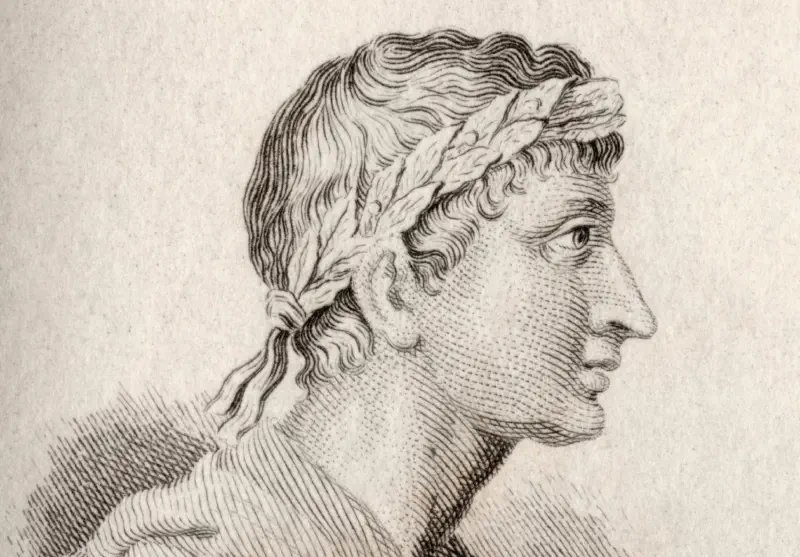
Look, so around 8 CE, Publius Ovidius Naso, Ovid to his friends, probably “that guy who won’t shut up about Zeus turning into animals” to everyone else finished writing what is essentially the world’s most ambitious mythological cinematic universe. The Metamorphoses is 15 books of people turning into things, gods behaving badly, and what happens when you give shapeshifting powers to entities with impulse control problems.
The Context Is Everything
Here’s the thing about writing in Augustan Rome: Augustus Caesar had just spent decades transforming Rome from “republic that’s definitely still a republic, why do you ask?” into “empire but we don’t say the E-word out loud.” The whole Roman project at this point was about transformation, transforming chaos into order, transforming a mess of civil wars into the Pax Romana, transforming Augustus from “guy who proscribed his enemies” into “Father of the Fatherland.”
So naturally Ovid writes a book where transformation is chaotic, uncontrollable, and mostly happens because Jupiter saw someone attractive and thought, “You know what would improve this situation? Me, as a swan.”
The timing here is chef’s kiss perfect. Augustus is pushing this whole moral reform agenda, the Lex Julia laws about marriage and adultery, trying to bring back old-fashioned Roman values, making Rome great again, etc. Meanwhile, Ovid is writing 250 myths where the gods commit approximately 247 acts that would violate these laws. It’s like if someone wrote a book about SEC violations while Gary Gensler was trying to reform crypto. Actually, wait, that happens every day.
The Business Model of Ancient Poetry
Anyway, the economics of being a poet in ancient Rome were weird. You needed a patron,basically a rich guy who would fund your lifestyle in exchange for you writing nice things about him. It’s sort of like being a Substack writer, except instead of paid subscribers you had one very important subscriber who could have you killed.
Ovid was actually pretty good at this game initially. He came from money (equestrian class think upper middle management), got a solid education, and was supposed to go into law or politics. Instead, he decided to write love poetry. His early stuff the Amores, the Ars Amatoria was basically “how to have affairs in Rome,” which was extremely popular with everyone except the guy trying to legislate against adultery.
The Product
So what actually is the Metamorphoses? Imagine if someone decided to write a continuous history of the world from the creation of the universe to the present day, but insisted on only including stories where someone turns into something else. Also, imagine this person had ADHD and kept getting distracted by really interesting tangents. Also, imagine they were brilliant.
The poem starts with chaos transforming into cosmos and ends with Julius Caesar transforming into a god. In between, we get:
- Approximately 50 different ways gods seduce mortals (success rate: disturbingly high)
- Multiple instances of people turning into trees to avoid said gods (success rate: medium)
- The world’s first recorded instance of someone being turned into a spider for winning a weaving contest (seems harsh but okay)
- Philosophical discussions about whether you’re still you if all your atoms get replaced (Theseus’s ship paradox, but with actual people)
The whole thing is written in dactylic hexameter, which is the poetry equivalent of choosing to code everything in assembly language when Python exists. But Ovid makes it look easy, probably because he was annoyingly talented.
The Innovation
Here’s what’s actually clever about the Metamorphoses: Ovid took every myth anyone had ever heard and created a unified theory of mythology. Everything connects to everything else through transformation. It’s like someone creating a Marvel Cinematic Universe out of every public domain superhero, except the Hulk turns into a flower at the end and stays that way.
The transitions between stories are incredible. He’ll be telling you about someone turning into a bird, and then mention that this bird flew over a place where oh, funny story about that place, actually and before you know it you’re 300 lines into a completely different myth. It’s the narrative equivalent of Wikipedia rabbit holes , except intentional and in Latin.
Risk Management
Now, you might think writing barely-veiled criticism of autocracy while living under an autocrat is bad risk management. You would be correct! In 8 CE, the same year the Metamorphoses was published, Augustus exiled Ovid to Tomis on the Black Sea (modern-day Romania). The official reason was “a poem and a mistake.” The poem was probably the Ars Amatoria (his pickup artist manual), and the mistake was… well, we don’t know. Maybe he saw something he shouldn’t have. Maybe he was involved in a plot. Maybe Augustus just really didn’t like the implications of all those transformation stories.
Ovid spent the last decade of his life in Tomis writing sad poems about how much Tomis sucked and begging to come home. He never did. The Metamorphoses, which he tried to burn before leaving Rome, became one of the most influential works in Western literature.
The Legacy
Look, the weird thing about the Metamorphoses is that it won. Augustus wanted to create an eternal city and eternal values and Ovid created an eternal poem about how everything changes. Augustus’s moral reforms didn’t stick; Ovid’s immoral stories did. Every Renaissance painter who needed an excuse to paint nude figures, every poet looking for a classical allusion, every writer who wanted to retell an old story they, all went to Ovid.
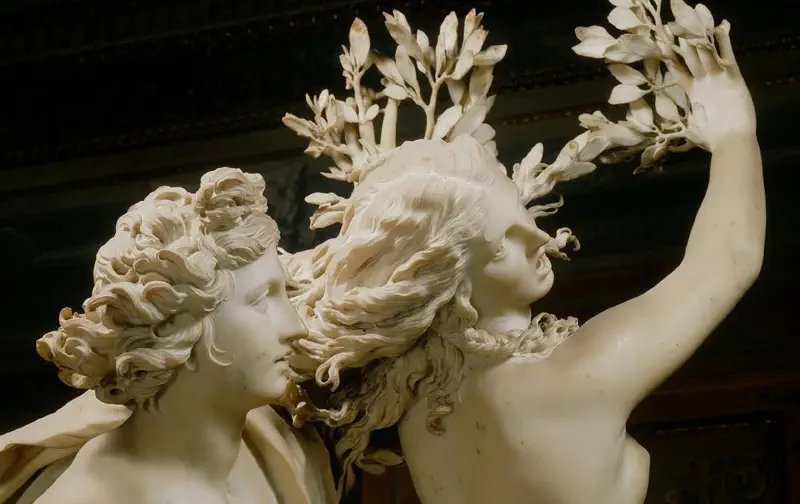
Shakespeare stole from it constantly. Dante made Ovid one of his guides. Bernini sculpted Apollo and Daphne mid-transformation. The whole Western canon is basically Ovid fanfiction all the way down.
The Lesson
So what’s the trade here? Ovid wrote a book that was simultaneously:
- Completely aligned with his era’s interests (transformation was THE theme)
- Completely opposed to his era’s politics (chaos vs. order)
- Technically perfect (the meter is flawless)
- Wildly entertaining (gods behaving badly never gets old)
It’s the equivalent of writing a perfectly-structured derivatives manual that’s also a savage critique of Wall Street and also somehow fun to read. You’d probably get fired, but people would still be reading it in 2,000 years.
The meta-joke, of course, is that Ovid’s book about transformation transformed literature, transformed him from Roman poet to exile, and transformed Augustus’s attempt at moral reform into source material for centuries of erotic art. The only thing that didn’t transform was Ovid’s exile status, which remained frustratingly static until he died.
Anyway, that’s Metamorphoses. Come for the mythological MCU, stay for the subversive political commentary, leave because you’ve been exiled to the Black Sea. Classic career move, honestly.