Australia Is Running a Weird Experiment in Coasting
The Lucky Country Thing
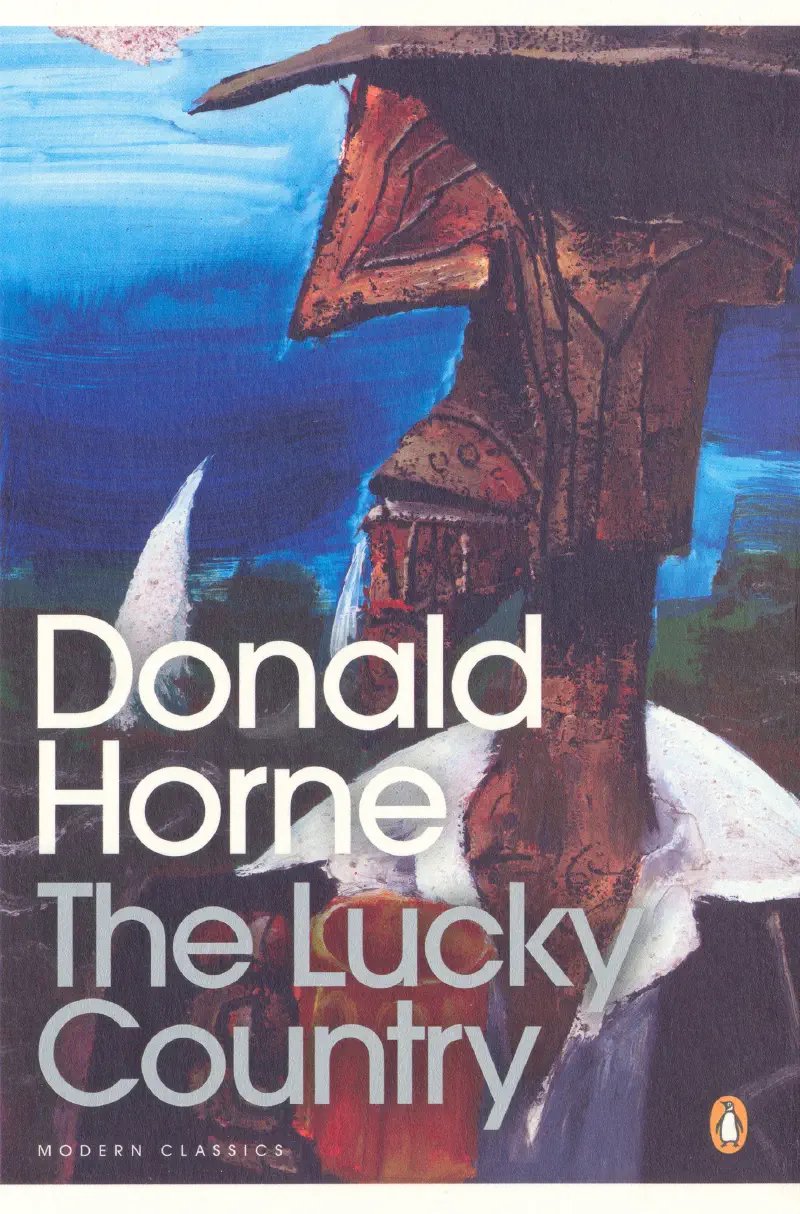
So there’s this thing about Australia. In 1964, a journalist named Donald Horne wrote a book called “The Lucky Country1” and here’s the funny part, everyone thinks it’s a compliment. It’s not!. The whole point was that Australia was lucky, not good. Lucky is what you are when you’re not particularly competent but things work out anyway. It’s like being a hedge fund manager in a bull market.
Horne’s thesis, basically was Australia is run by second-rate people who are coasting on the country’s natural advantages like massive mineral wealth, distance from world conflicts, nice beaches, scary animals that keep out the riffraff, etc. The full quote that everyone forgets the second half of is, “Australia is a lucky country run mainly by second-rate people who share its luck.” Ouch!
Context Is Everything (or Why Was Everyone So Mad in 1964?)
Here’s the context that matters, Horne was writing during the Menzies era, when Australia had been governed by the same conservative coalition for basically forever (okay, since 1949, but in democracy years that’s like three centuries). The country was doing fine economically,riding the sheep’s back, as they say, which is apparently something Australians say, but Horne thought this was despite, not because of, its leadership.
The 1960s context is crucial. This was when:
- Australia still had the White Australia Policy , yikes
- The country was culturally cringing at Britain while economically snuggling up to America
- Everyone was making money from minerals and wool without really trying
- Innovation was something that happened in other countries
- The ruling class went to the right schools, joined the right clubs, and thought the whole arrangement was just splendid
The Ironic Afterlife
Here’s where it gets really good. The phrase “Lucky Country” immediately got repurposed as a patriotic slogan. It’s like if “Eat the Rich” became a wealth management firm’s tagline. Politicians started using it in speeches to mean the opposite of what Horne intended. This drove him absolutely nuts, which he spent the rest of his life pointing out to anyone who would listen.
The book became one of those cultural touchstones that everyone references but nobody reads, like “The Wealth of Nations” or your company’s code of conduct. Australians would say “we’re the Lucky Country” with pride, and Horne would be somewhere grinding his teeth.
The Expanded Universe
Horne wasn’t done.
The 1971 edition: Added new chapters where he basically said, “Hey, remember when I said you were coasting? Still doing it!”
The 1976 edition: Vietnam had happened, Whitlam had happened, and Horne was like, “Okay, some things changed, but fundamentally you’re still not getting it.”
Later editions through the 1990s: Each time returning to say, essentially, “You guys know I was insulting you, right? Right??”
The 50th anniversary edition (2014): By this point, Horne had died, but others picked up the torch to point out that Australia was still getting the quote wrong, though at least now they had good coffee.
The Modern Relevance (or Still Lucky After All These Years)
The wild thing is, the critique kind of still works? Australia today:
- Still makes bank from digging stuff up and selling it to China (iron ore is the new wool)
- Still has a political class that seems surprised when they have to do actual work
- Still treats “she’ll be right” as a governing philosophy
- Has somehow avoided recession for 30 years mostly through luck and Chinese demand for rocks
It’s like a country-sized experiment in what happens when you give a C+ student an inheritance and good weather.
The Lessons Here
What can we learn from all this? a few things
Irony doesn’t translate at scale. Once a phrase enters the discourse, it belongs to the discourse, not to you. Horne discovered what every songwriter who’s had their protest song played at political rallies learns, you don’t control the meaning anymore.
Lucky vs. Good is actually a crucial distinction. Did your portfolio go up because you’re smart or because everyone’s portfolio went up? Australia’s been running this experiment at a national level for 60 years.
Natural resources are like a trust fund. They can make you rich without making you smart. Saudi Arabia knows this. Norway knows this and actually did something about it. Australia knows this but prefers not to think about it too hard.
Cultural criticism ages weirdly. Some of Horne’s specific complaints seem quaint now (he was very worried about Australian theater), while others remain evergreen (mediocre leadership coasting on circumstances).
The Punchline
The ultimate joke is that being the “Lucky Country” in Horne’s insulting sense might actually be… fine? Like, if you can coast on natural advantages, steady democracy, and geographic isolation from most of the world’s problems, why wouldn’t you? It’s like critiquing someone for inheriting money. Sure, they didn’t earn it, but they’re still rich.
Australia took an insult, misunderstood it as a compliment, and then proceeded to prove both interpretations correct simultaneously. They’re lucky (they have enormous natural advantages), they’re Lucky Country™ (they’ve turned this into a brand), and they’re “lucky” in Horne’s sense (often mediocre leadership that doesn’t matter because the fundamentals are so good).
It’s actually kind of genius? Though probably not on purpose, which I guess is Horne’s whole point.
The thing about national myths is they don’t have to be true, or even coherent. They just have to be repeated enough times that everyone forgets to question them. Australia’s been dining out on being “lucky” for so long that whether it’s a compliment or an insult has ceased to matter. They’re like that friend who embraced their embarrassing nickname from college and now puts it on their business cards. At some point, you have to respect the commitment to the bit. ↩︎